


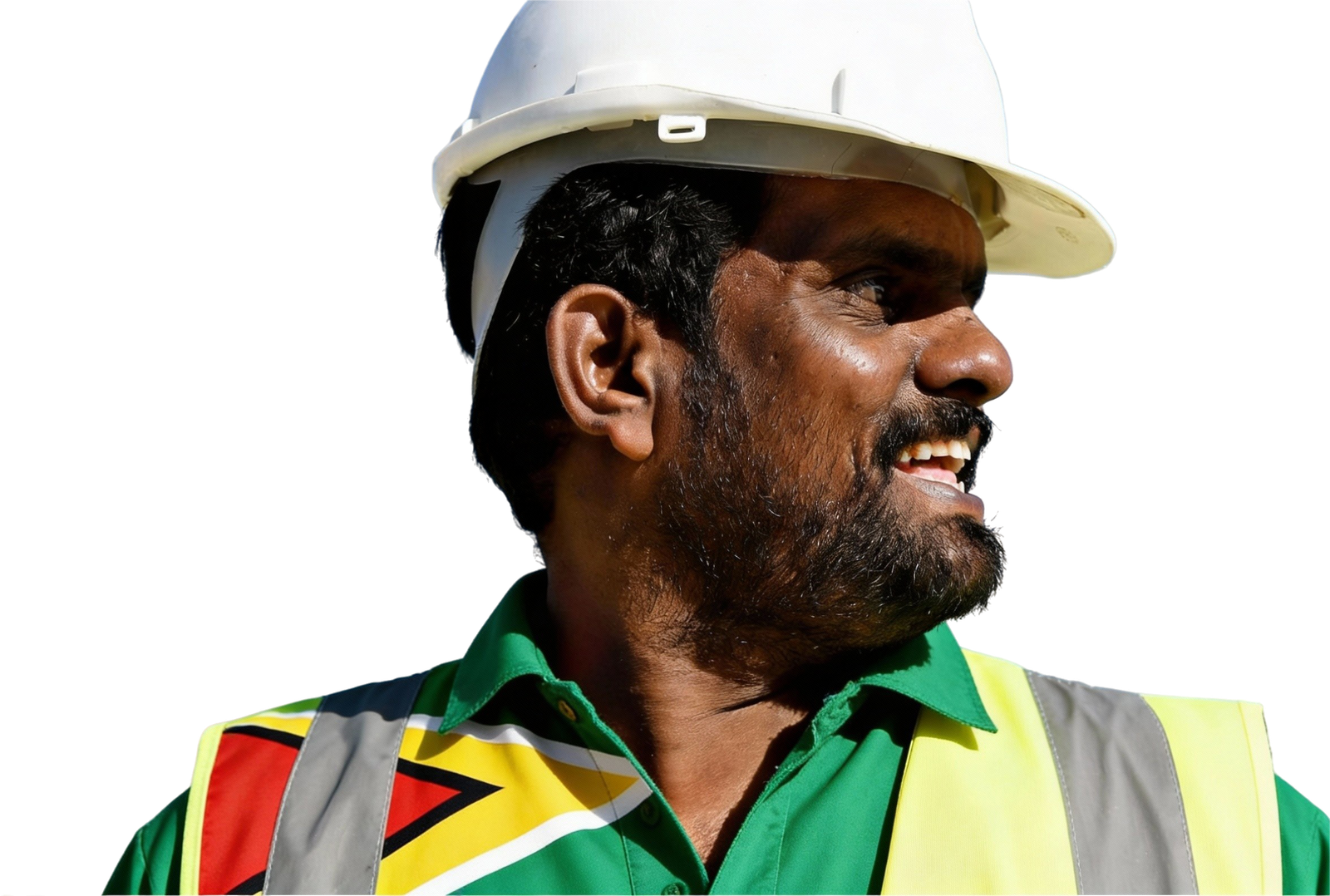



Plumbing
Professional installation and maintenance of plumbing systems for new builds, renovations, and upgrades, done to modern standards and local requirements.
View More »
Painting
Interior and exterior painting services that protect, finish, and elevate residential and commercial properties.
View More »
General Construction
Complete construction services from structural work to finishing, delivered with clear timelines and solid workmanship.
View More »
Pre-Construction
Planning, measurements, and build preparation to ensure projects start correctly, stay organised, and avoid costly delays.
View More »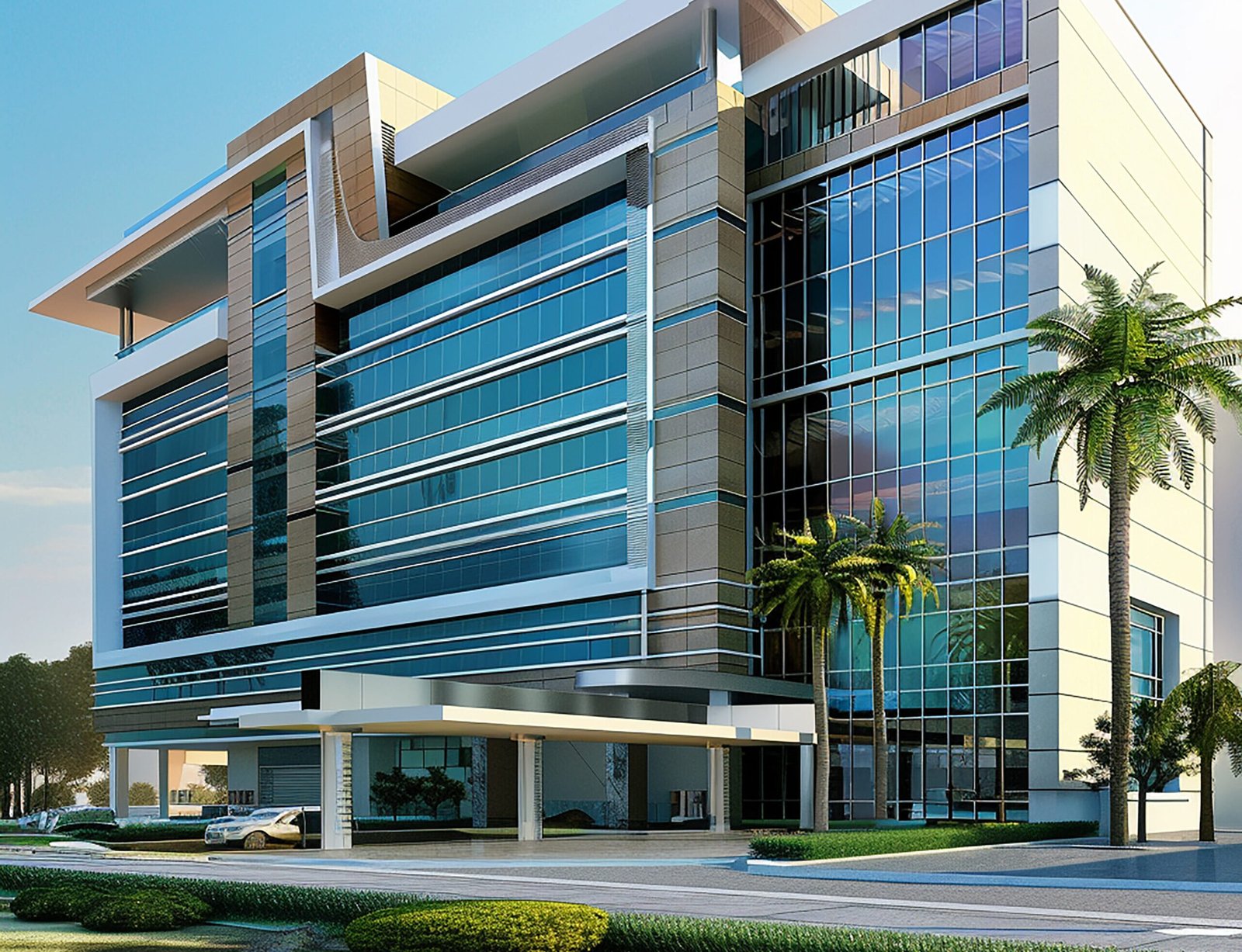




By
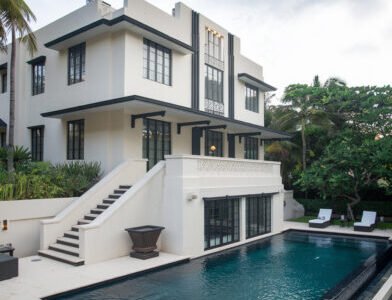
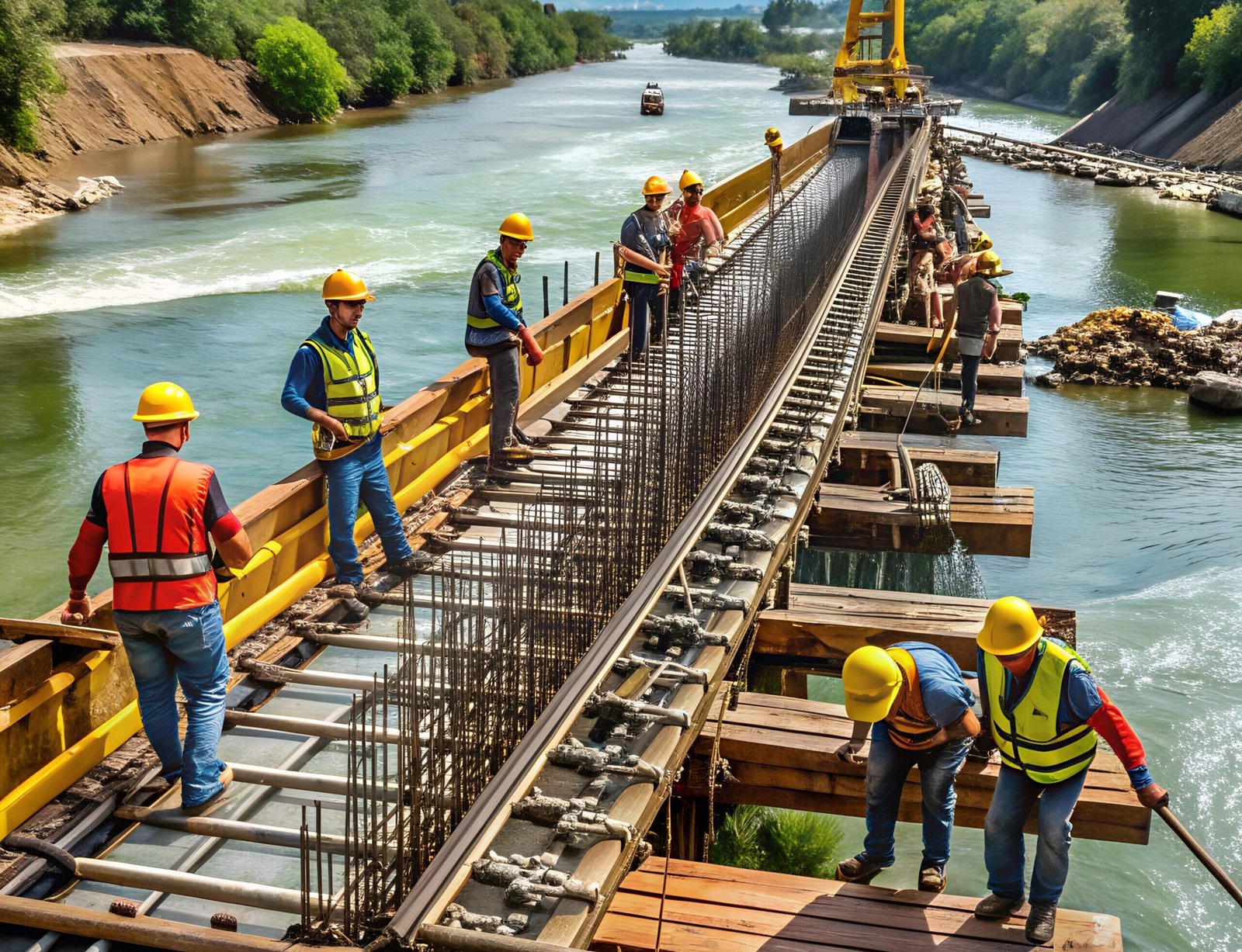
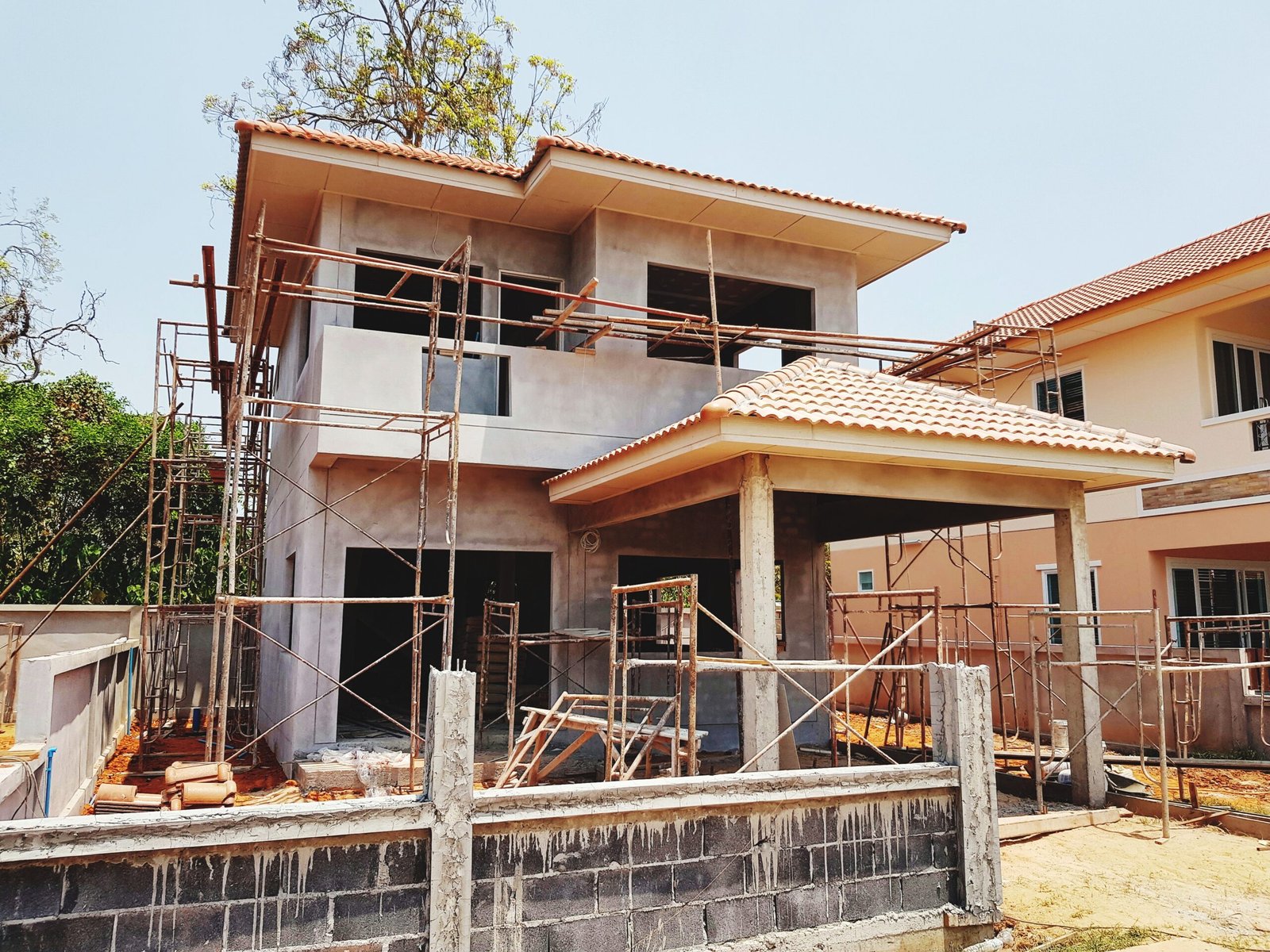
What to Expect When Building a Home in Guyana
Building a home in Guyana is a major milestone, but it can also feel overwhelming if you do not know what to expect. From planning and approvals to construction timelines and final finishes, the process involves more moving parts than most homeowners realize.
Understanding how the process works before you start helps you make better decisions, avoid costly mistakes, and stay in control of your project from beginning to end.
This guide walks you through what typically happens when building a residential home in Guyana and what you should be prepared for at each stage.
1. Planning Comes Before Construction
Before any work starts on site, proper planning is critical. This stage sets the tone for the entire project.
At this point, you should have:
- A clear idea of the type of home you want to build
- A realistic budget that includes contingency costs
- An understanding of your land boundaries and access
- Preliminary drawings or architectural plans
This is also when discussions around timelines, materials, and build scope should happen. Rushing this stage often leads to delays and budget overruns later.
2. Approvals and Documentation Matter
In Guyana, residential construction requires the correct approvals and documentation before work begins.
Depending on the project, this may include:
- Building approvals
- Layout and site plans
- Drainage and setback considerations
- Utility access planning
Skipping or delaying this step can result in work stoppages, redesigns, or additional costs. A structured approach early on helps prevent unnecessary interruptions once construction starts.
3. Site Preparation and Foundation Work
Once approvals are in place, site preparation begins. This includes clearing, leveling, and setting out the foundation.
Foundation work is one of the most important stages of the build. Poor execution here can affect the long-term stability and durability of the home.
At this stage, you should expect:
- Ground preparation and excavation
- Proper measurements and alignment
- Concrete work carried out to specification
Clear supervision and quality control are essential during this phase.
4. Structural Construction and Trades Coordination
After the foundation, the structure of the home takes shape. This includes walls, roofing, and the main framework.
As the build progresses, multiple trades may be involved, such as:
- Masonry
- Carpentry
- Electrical
- Plumbing
Coordinating these trades properly is key to keeping the project on schedule. Without clear sequencing and oversight, delays and rework can quickly add up.
5. Finishes, Fixtures, and Final Details
Once the structure is complete, attention shifts to finishes and internal work.
This stage includes:
- Flooring and tiling
- Doors and windows
- Electrical fixtures
- Plumbing fixtures
- Painting and final finishes
Decisions made here affect both the appearance and functionality of your home. It is also where budgets can creep up if selections are not planned in advance.
6. Timelines and Expectations
Residential builds in Guyana do not follow a one-size-fits-all timeline. Weather, material availability, and design complexity all play a role.
A realistic schedule should:
- Allow for weather-related delays
- Factor in material lead times
- Include time for inspections and adjustments
Clear communication throughout the process helps manage expectations and keeps the project moving forward.
7. Why Process and Oversight Matter
One of the biggest challenges homeowners face is managing multiple moving parts at once. Without proper coordination, even small issues can become major setbacks.
A structured building process helps ensure:
- Work is done correctly the first time
- Timelines remain realistic
- Costs are controlled
- Quality standards are maintained
Final Thoughts
Building a home in Guyana does not have to be stressful or uncertain. When you understand the process and work with a team that values planning, communication, and accountability, the experience becomes far more manageable.
The key is knowing what to expect, asking the right questions early, and ensuring every stage of the build is handled with care and professionalism.
If you are considering a residential build and want clarity on the next steps, starting with the right guidance makes all the difference.
By
What to Expect in a Commercial Build in Guyana
Commercial construction in Guyana involves larger budgets, tighter timelines, and more regulatory oversight than residential builds. Proper planning and coordination are critical to keeping projects on track.
Start With Clear Planning
Every commercial build should begin with a defined scope, realistic budget, and clear timelines. Detailed drawings and early decisions reduce delays and costly changes during construction.
Approvals and Compliance
Commercial projects often require multiple approvals and inspections. Incomplete documentation or late submissions can stall progress, so allowing adequate time at this stage is essential.
Coordinating Multiple Trades
Commercial builds involve several contractors and suppliers working together. Active scheduling, site supervision, and clear communication help prevent downtime and rework.
Cost Control Matters
Budgets must be closely monitored. Clear approval processes for variations and regular cost tracking help maintain financial control throughout the project.
Final Delivery
A proper handover includes inspections, system checks, and readiness for use. When managed well, the finished space supports business operations from day one.
By
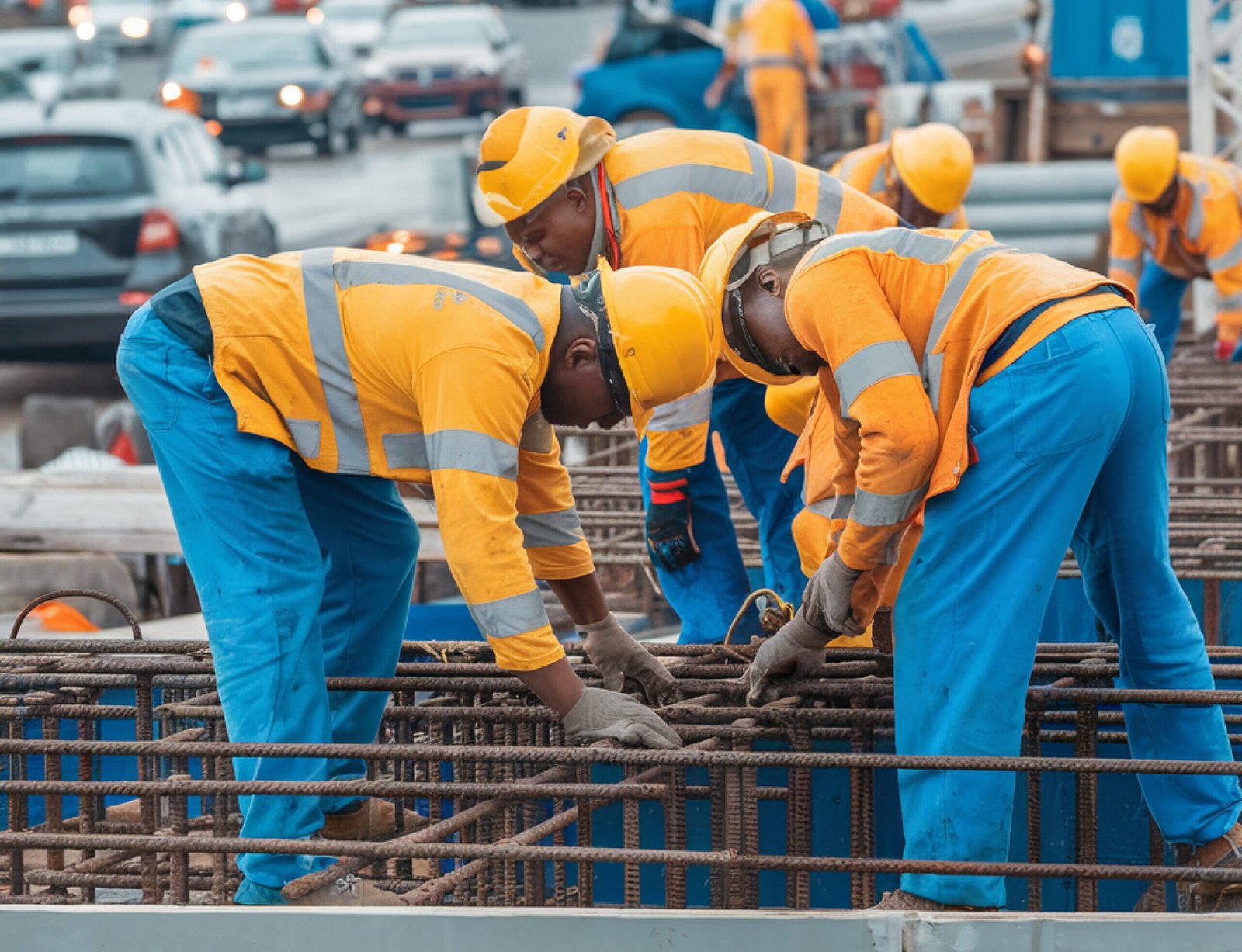
From Foundation to Finish: How a Build Is Managed in Guyana
Successful construction is not only about materials and labour. It depends on planning, coordination, and consistent oversight from start to completion.
In Guyana, where weather, approvals, and supply timelines can affect progress, structured project management plays a critical role in delivering a build on time and within budget.
Pre-Construction Planning
Before work begins on site, drawings, schedules, and budgets must be finalised. This stage sets expectations, identifies potential risks, and ensures all parties understand the scope of work.
Proper planning reduces delays once construction starts.
On-Site Coordination
As construction progresses, multiple trades often work in sequence or alongside each other. Active site supervision ensures tasks are completed in the correct order, quality standards are met, and safety requirements are followed.
Clear communication helps keep work moving efficiently.
Quality Control and Progress Monitoring
Regular checks throughout the build help identify issues early. Addressing concerns as they arise prevents rework, controls costs, and maintains structural integrity.
Progress monitoring also keeps timelines realistic and transparent.
Final Works and Handover
As the project nears completion, final inspections, finishing works, and site clean-up take place. A structured handover ensures the completed space is ready for use and meets agreed specifications.
When managed properly from foundation to finish, construction becomes a controlled process rather than a stressful experience.