

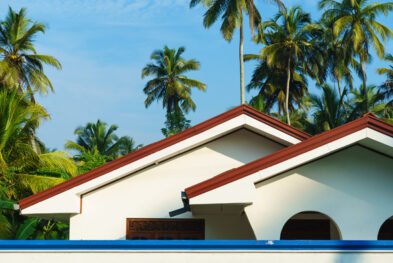
Building a home in Guyana is a major milestone, but it can also feel overwhelming if you do not know what to expect. From planning and approvals to construction timelines and final finishes, the process involves more moving parts than most homeowners realize.
Understanding how the process works before you start helps you make better decisions, avoid costly mistakes, and stay in control of your project from beginning to end.
This guide walks you through what typically happens when building a residential home in Guyana and what you should be prepared for at each stage.
Before any work starts on site, proper planning is critical. This stage sets the tone for the entire project.
At this point, you should have:
This is also when discussions around timelines, materials, and build scope should happen. Rushing this stage often leads to delays and budget overruns later.
In Guyana, residential construction requires the correct approvals and documentation before work begins.
Depending on the project, this may include:
Skipping or delaying this step can result in work stoppages, redesigns, or additional costs. A structured approach early on helps prevent unnecessary interruptions once construction starts.
Once approvals are in place, site preparation begins. This includes clearing, leveling, and setting out the foundation.
Foundation work is one of the most important stages of the build. Poor execution here can affect the long-term stability and durability of the home.
At this stage, you should expect:
Clear supervision and quality control are essential during this phase.
After the foundation, the structure of the home takes shape. This includes walls, roofing, and the main framework.
As the build progresses, multiple trades may be involved, such as:
Coordinating these trades properly is key to keeping the project on schedule. Without clear sequencing and oversight, delays and rework can quickly add up.
Once the structure is complete, attention shifts to finishes and internal work.
This stage includes:
Decisions made here affect both the appearance and functionality of your home. It is also where budgets can creep up if selections are not planned in advance.
Residential builds in Guyana do not follow a one-size-fits-all timeline. Weather, material availability, and design complexity all play a role.
A realistic schedule should:
Clear communication throughout the process helps manage expectations and keeps the project moving forward.
One of the biggest challenges homeowners face is managing multiple moving parts at once. Without proper coordination, even small issues can become major setbacks.
A structured building process helps ensure:
Building a home in Guyana does not have to be stressful or uncertain. When you understand the process and work with a team that values planning, communication, and accountability, the experience becomes far more manageable.
The key is knowing what to expect, asking the right questions early, and ensuring every stage of the build is handled with care and professionalism.
If you are considering a residential build and want clarity on the next steps, starting with the right guidance makes all the difference.
